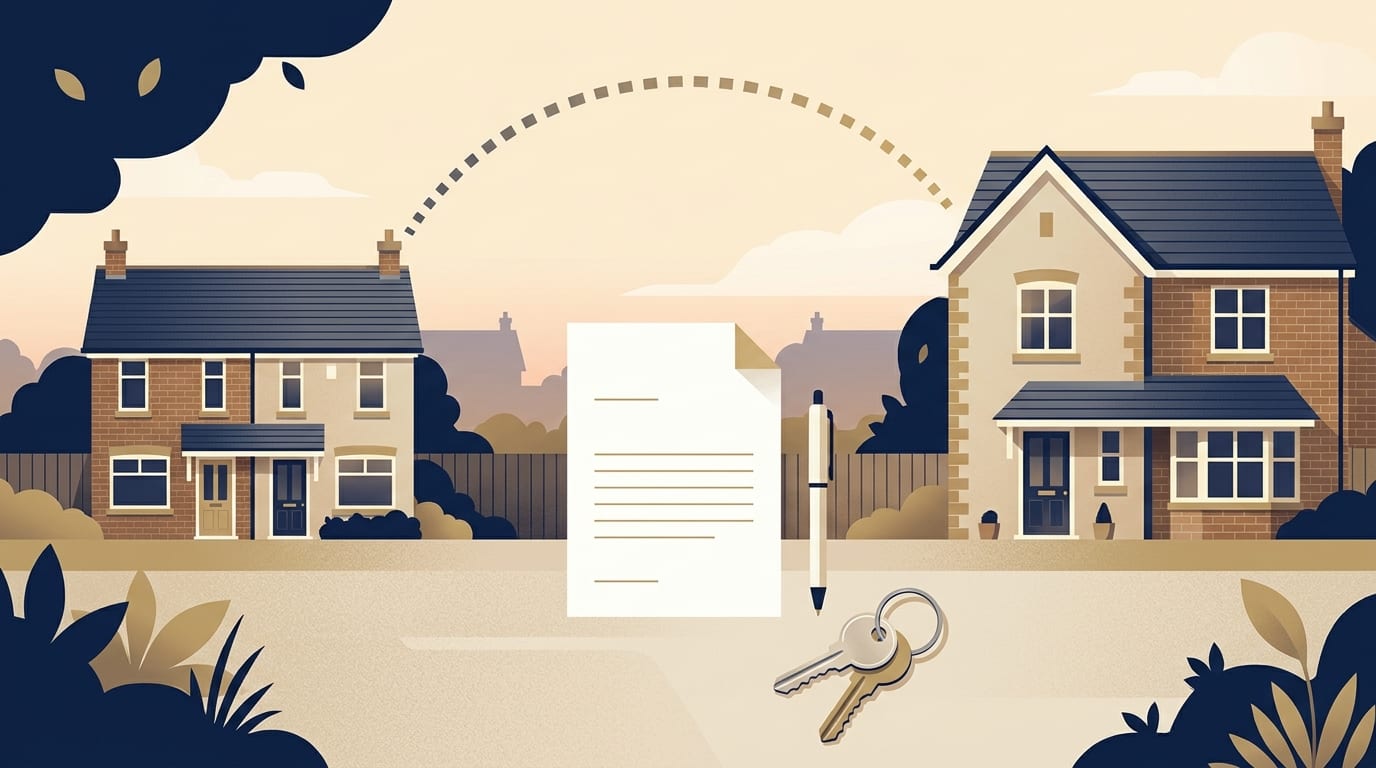

Council Tax does not move with you when you change address. You must tell the local council you are leaving your current home and tell the council for your new address that you are arriving. You keep paying the bill for your old home until the final bill is issued and the account is officially closed. According to GOV.UK, most adults have to pay Council Tax, and the bill is the legal responsibility of whoever is liable at each address on each specific day.
Do you need to tell the council when you move?
You must always notify the local authority when you move out of a property. Council Tax is worked out address by address, so your account for the old home is closed and you are set up for the new one. Southwark Council, for example, asks to be told about a move into, within or out of the borough, so a short move inside the same council area still needs reporting.
You will usually have to pay Council Tax if you are 18 or over. A full Council Tax bill is based on at least two adults living in a home. Spouses and partners who live together are jointly responsible for paying the bill. Give the council the names of every adult in the home when you report the move.
If you do not tell the council you have moved, you stay liable until the final bill is issued, which is why it pays to report the move promptly. Royal Greenwich Council says you must continue to pay until you get your final bill.
When to tell the council
The right time to notify your local council depends entirely on where you live. There is no single national deadline for reporting a home move. Councils set their own administrative rules and their computer systems handle home moves in different ways. You will need to check your own council website to find out exactly when they expect to hear from you.
Some local authorities ask you to wait until your moving date is very close. For example, Wokingham Borough Council states that if your move is not scheduled within the next 30 days, they are unable to process your application. Check your own council's rules on how early you can tell them.
Other authorities require you to report the change within a strict timeframe after it happens. Southwark Council says you must let them know within 21 days of a move into, within or out of the borough. Because rules vary so much across the country, it is best to check the local requirements as soon as your dates are reasonably firm.
For buyers and sellers, this usually means waiting until you have a confirmed completion date agreed by your solicitors. You can read more about this timing in our guide to exchange of contracts and when to book your removal firm. If you are renting, you can usually notify the council once you have signed your new tenancy agreement and agreed a formal checkout date with your current landlord.
What the council will ask for
When you contact the council to close your account, they will ask for specific details so they can close the account and calculate your final bill. Having these details written down before you start will make the process much faster. Check your own council's website for how to report a move.
Here is what you should have ready to give the council:
- Your current Council Tax account number, which is printed on your latest bill.
- The full address of the property you are moving out of.
- The exact date you are moving out of the old property.
- Your new address so the council can send your final bill.
- The names of any adults aged 18 and over who live with you.
- Your tenancy start and end dates if you rent the property.
- The date your sale or purchase completes if you own the property.
- The contact details of your landlord, managing agent or solicitor.
Councils ask for landlord, agent and solicitor details so they can confirm the dates of a change in liability. For instance, Royal Greenwich Council asks renters to provide landlord details and a signed, dated checkout report to prove exactly when the tenancy ended.
Why you keep paying until the final bill
When you report your move, the council does not stop your payments immediately. You remain liable for the property until the day your tenancy legally ends or the day your property sale completes. This applies even if you pack your boxes and physically move out of the house a few weeks before those legal dates.
Royal Greenwich Council states clearly that you must continue to pay until you get your final bill. Other councils may word this differently, so check your own council's page.
An empty home is still your financial responsibility until the legal handover happens. Keeping your payments going until the final bill arrives is common practice, not a rule, and it avoids the risk of a missed payment while the council processes your move.
Once your move is processed, the council works out what is owed up to your last day of liability and issues a final bill. If you have overpaid before the final bill, Royal Greenwich Council says you can claim a refund.
If you own or rent both homes for a few days
It is very common to have an overlap when moving house. You might get the keys to a new rental property a week before your old tenancy ends, giving you time to clean and move your belongings slowly. If you are buying and selling, you might complete on your purchase a few days before you complete on your sale.
During this overlap period, you are legally responsible for both properties. Wokingham Borough Council states that if there is an overlap between properties, you will be liable for Council Tax at both properties. Your liability for the new home starts on the date your new tenancy starts or your purchase completes, regardless of when you actually sleep there for the first night.
GOV.UK states that you will usually have to pay Council Tax on another property you own or rent. The local council sets the amount and may offer a discount.
Wokingham Borough Council notes that during an overlap you cannot get any discount on Council Tax because your house is empty. Because every council sets its own local rules, you should ask the council directly if they offer any grace period or short term discount when an overlap is only a few days long.
Renting, selling or leaving an empty home
Your last day of liability depends on whether you own or rent the property, which is why councils ask for tenancy end dates and sale dates. If you move out of a rented home early, you stay liable until you get your final bill, even if the property is empty, so check your tenancy end date with your council.
If you are selling a house, councils ask for the completion date, which is the day legal ownership transfers to the buyer. It is not the day you exchange contracts, and it is not the day you load the removal lorry. Give the exact date to the council when closing your account, along with your solicitor or estate agent details.
There are a few specific situations where an empty home might be exempt from Council Tax. GOV.UK states that some empty homes get no bill while they stay empty. This normally applies to homes left empty by someone who has moved permanently into a care home or a hospital, or properties that have been repossessed by a lender.
A council may also give a discount for an empty home that requires major repair work to make it liveable. However, this is not a general rule for a standard home you have just moved out of. You should always tell the council your exact circumstances and ask them what charges apply to your empty property.
Setting up Council Tax at your new address
You need to register for Council Tax at your new address as soon as you become liable for it. This is usually the day your new tenancy begins or the day you complete the purchase of your new home. You register by contacting the local council that covers your new area.
If you are moving to a different local authority area, you will be dealing with a completely different council. You will need to find their website and look for the section on moving into the area. They will ask for your move in date, the names of the adults living there, and if you are renting or buying the property.
If you are moving within the same council area, you still tell the council about the move. Southwark Council, for example, asks to hear about moves within the borough as well as into and out of it. Check your own council's page for how it handles this.
It is best to set up your new account quickly so you do not fall behind on your payments. To help you keep track of who else needs to know about your move, you can read our guide on who to notify when moving house and our moving house checklist week by week.
Direct debits, refunds and final bills
The safest way to handle your payments during a move is to leave your existing direct debit running until your final bill is settled. This is common practice across local authorities and prevents the system from registering a missed payment while your move is being processed by the council staff.
When the council processes your move out date, they will calculate your exact charge up to that final day. They then issue a final bill based on those exact dates. Depending on your payment dates, you may find you have overpaid by the time the final bill is issued.
If you have overpaid, you are entitled to get that money back. Royal Greenwich Council confirms that if you overpay before the final bill, you can claim a refund. Ask your council how it pays refunds.
Your final bill will be sent to the forwarding address you provided when you reported your move. If the final bill shows that you still owe a small amount for your last few days, you can settle this using the payment details provided on the document. Once the final balance is zero, the council will close the account and you can safely cancel the direct debit.
Scotland and other local differences
Councils in England set their own timings and rules for reporting a move, so always check your own council's page.
If you are moving into or out of Scotland, GOV.UK states clearly that the rules are different in Scotland and directs residents to the official mygov.scot website for guidance. Scottish readers should consult that site to understand exactly how to manage local taxation when moving house.
Common questions
How do I cancel Council Tax when moving house?
You cannot simply cancel Council Tax, as it is a legal requirement for the property. Instead, you notify your local council of the exact date your liability ends, which is your tenancy end date or completion date. The council will then calculate your final bill and close the account for that specific address.
What to do about Council Tax when moving house if I live alone?
A full Council Tax bill is based on at least two adults living in a home, according to GOV.UK. If you live alone, tell the council how many adults live at each address when you report the move and ask how any discount is dealt with at your new address.
What to do when moving house if the council is slow to issue the final bill?
Processing times vary by council, so check your council's page. Keeping your direct debit running until the final bill is settled is common practice, and if you overpay before the final bill, Royal Greenwich Council says you can claim a refund.
Do I pay Council Tax on moving day itself?
Liability depends on the date your tenancy ends or your sale completes, not on the day the van arrives. Wokingham Borough Council says liability at a new home starts on the date the tenancy starts or the sale completes. Ask your council how it treats the change-over day itself.
Next steps for your move
Managing your household administration is much easier when you tackle it in a logical order. Before you pack your boxes, take these steps to keep your accounts in order:
- Check your local council website to see how much notice they require for a home move.
- Gather your account number, moving dates and forwarding address.
- Submit your moving out form once your completion or tenancy dates are firm.
- Leave your current direct debit running so you do not miss a scheduled payment.
- Register with your new local council as soon as your new tenancy or purchase begins.
- Pay any outstanding balance on your final bill, or claim your refund if you overpaid.
Keeping on top of your final bills ensures you do not carry old debts into your new home. When your dates are confirmed and your paperwork is in hand, you can focus on the physical move and find a mover near you.
Find a top rated mover near you
2,923 movers across the UK, each ranked on their Google rating and the number of reviews behind it. Start with your county: