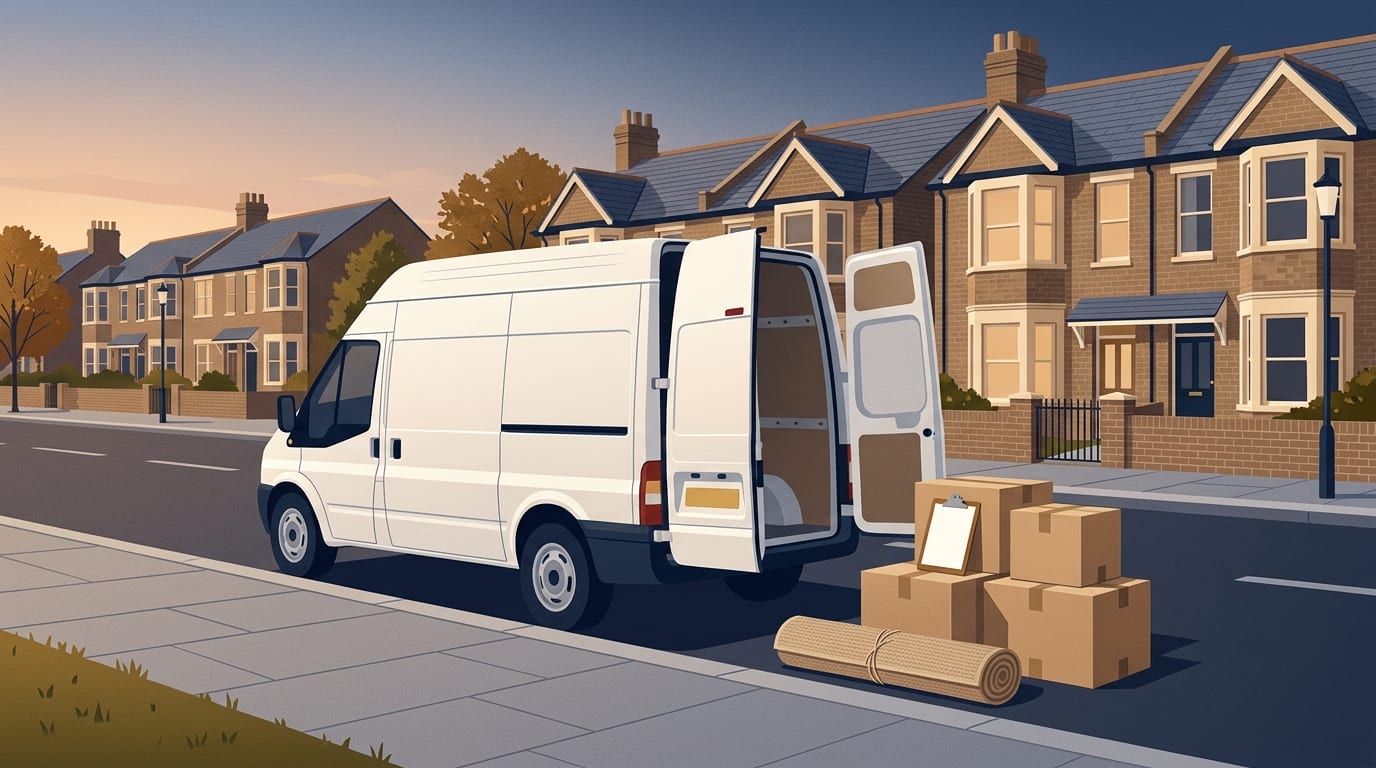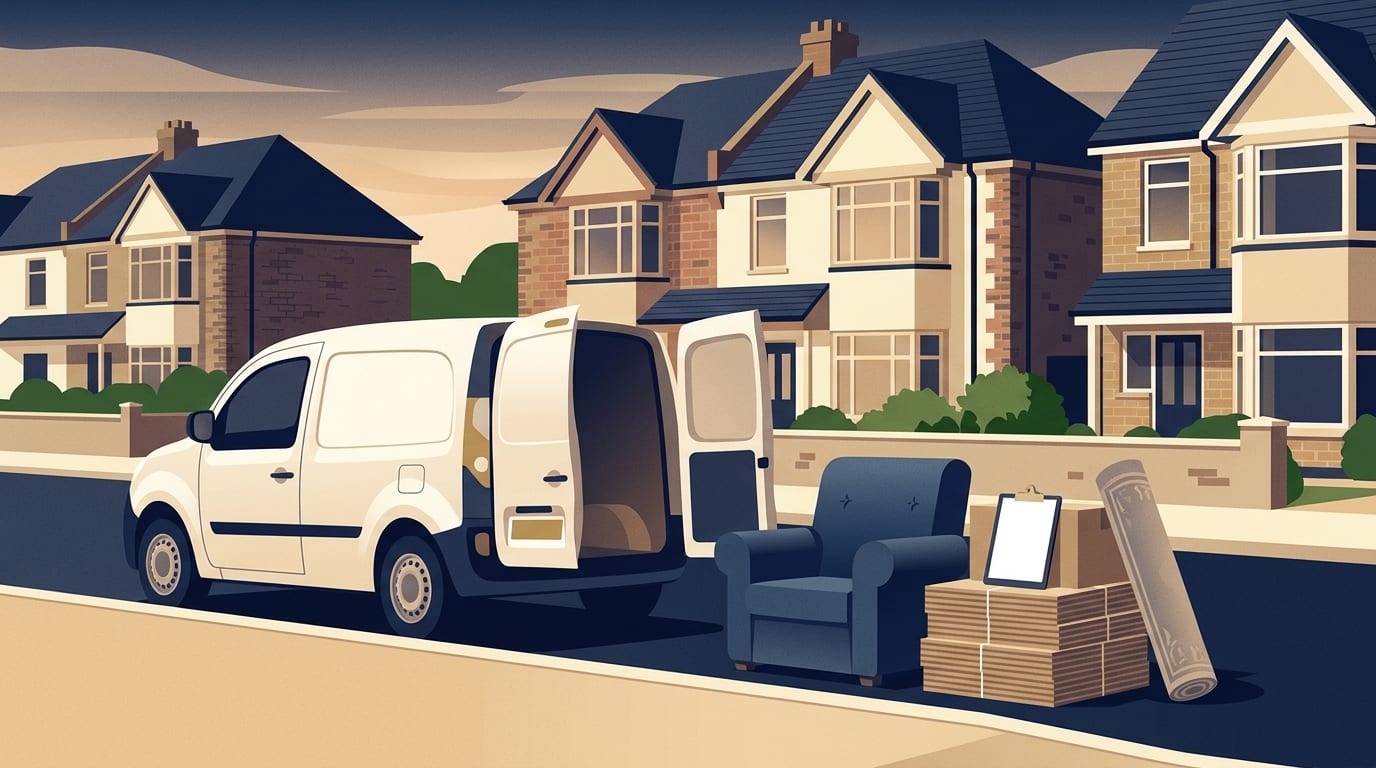
There is no single legal list of what a removal company will not move, as each firm sets its own terms. You should always ask for their restricted items list in writing when you book your move. However, the same items come up again and again, usually because they pose a risk to the crew, the lorry or your other belongings. A surprise refusal at the door is stressful when a completion time is fixed, so knowing what to clear out in advance keeps your move on track.
Why firms have a list of things they will not take
Removal companies strictly prohibit transporting hazardous materials that could pose risks during transit. A removal lorry is an enclosed space where your belongings are packed tightly together based on the total volume of your move. Items that could leak and cause a fire inside the moving truck are a severe danger to the crew, the vehicle and everything else on board. Firms follow safety rules for transporting dangerous goods, and they set their own terms on what they will carry.
Other items are excluded because they are alive, perishable, or simply too valuable to risk under standard insurance terms. Standard industry terms commonly limit a remover's liability to a modest sum per item, for example £40 per item, unless a higher value is declared and paid for. This protects removal companies from liability in case of loss or damage to high-value or sentimental items. Valuables are not strictly banned, but firms often recommend that you carry them yourself.
The British Association of Removers (BAR) is the main trade association for the industry. Its members follow a Code of Practice monitored by the Chartered Trading Standards Institute that covers standards of service, materials, vehicles and warehouses. Membership is a voluntary sign of standards, not a legal requirement, and many sound smaller firms are not members. Under the Consumer Rights Act 2015 the service must be carried out with reasonable care and skill.
Dangerous and flammable items
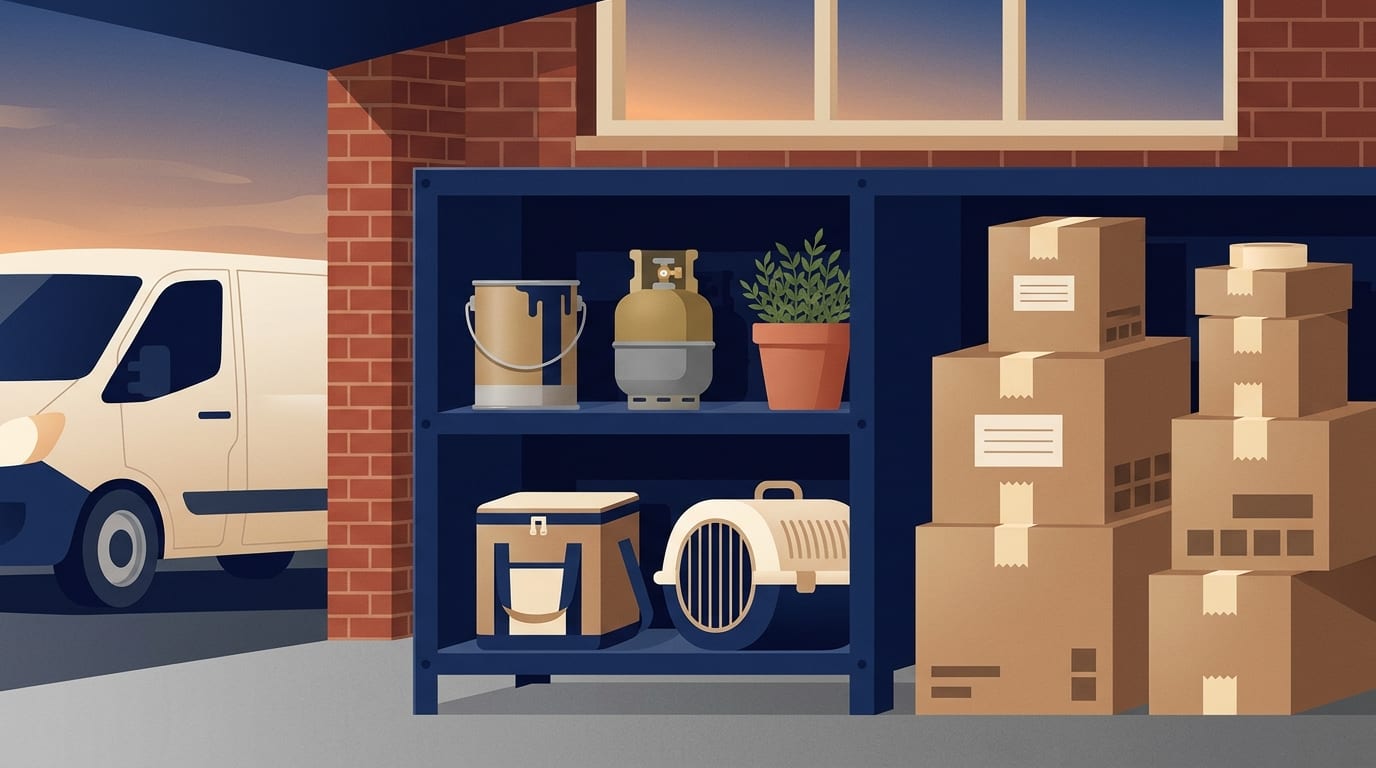
Removal firms strictly prohibit hazardous materials that could pose risks during transit. This includes flammable liquids such as petrol, paint thinners and acetone. Explosives such as fireworks and ammunition are strictly forbidden, along with corrosives such as strong acids. Toxic substances such as pesticides will also be left behind on moving day.
You will also find that oxidising substances, radioactive materials and dry ice are completely excluded from the load. Compressed gas cylinders are another common hazard that crews will not transport. If you have a gas cooker or a gas fire to move, a Gas Safe registered engineer must disconnect it before the removal team arrives. Do not try to disconnect a gas appliance yourself, and ask your mover about its policy.
You cannot pack these dangerous goods yourself or hide them in boxes. Instead, you need to use them up, give them away, or dispose of them safely before you move. Check your local council's household waste page for how to dispose of hazardous items.
For gas cylinders, the supplier may take them back, so contact them in advance. When you book a pre-move survey, which is a home visit or video call to assess the volume and access, show the surveyor your shed or garage. They can point out exactly what cannot go in the lorry so you have time to deal with it.
Cleaning products and household chemicals
Most people have a cupboard full of half-used cleaning products, but removal crews will often refuse to pack or load them. Cleaning supplies such as alcohol and bleach are flammable and could damage the truck if they leak. Corrosives such as cleaning solvents are also excluded from the move. Even everyday laundry detergent is not packed for safety reasons.
Aerosols are another household item that packers do not pack for safety reasons. Ask your firm how it wants aerosols and batteries prepared, and remember that items you pack yourself are often treated differently when it comes to damage claims.
Hazardous liquids stay a risk whatever the access, including when there is a long carry from the door to the lorry.
Your best approach is to stop buying new cleaning supplies a few weeks before completion day. Use up what you have and safely dispose of the rest. If you want to keep any unopened, non-hazardous products, you will normally need to pack them securely and carry them in your own car.
Pets and living things
Removal firms do not carry pets. You will need to arrange the journey for your animals yourself, either in your own vehicle or by using a specialist pet transport service.
Moving day is already highly stressful for animals, with doors left open constantly and strangers walking through the house. When you are buying and selling in a chain, waiting time charges can apply if keys are released late on completion day. This leaves you sitting outside your new property for hours, which is an awful experience for a cat or dog stuck in a vehicle.
It is usually best to book your animals into a cattery or kennels, or leave them with a friend, until you have the keys to your new home. For more practical advice on keeping animals calm and safe on the day, read our guide on moving house with a cat or dog.
Plants
Live plants are usually excluded from the removal lorry. They could carry pests and are unlikely to survive the truck.
Policies differ between firms, so ask your mover before assuming any plant can go.
If you have a large garden collection that you want to keep, you will usually need to transport it yourself or ask a specialist courier. For a few indoor pots, take small ones in the car with you. Otherwise, give them away to friends or neighbours at least two weeks before the move.
Food, drink and the freezer
Removal companies will not move fresh and frozen food. Perishable food could spill and cause rot and mould inside the lorry, ruining your belongings. Opened food containers and unsealed liquids are also excluded from the load for exactly the same reason.
You should run down your fridge and pantry in the weeks leading up to the move.
Defrost the freezer completely a day or two before the crew arrives, ensuring it is clean and dry inside. Any remaining food you want to keep should be carried in a cool bag in your own vehicle. Use up or donate whatever perishables you cannot take with you.
Valuables and papers you should carry yourself
Valuable and personal items are not strictly banned, but removal companies often recommend that clients personally transport high-value or irreplaceable items. This protects removal companies from liability in case of loss or damage, and it ensures you have your most important possessions to hand when you need them. Standard goods in transit cover has limits, and a missing passport on moving day causes unnecessary panic.
You should pack a secure bag containing these items and put it in your car before the removal crew starts loading. If you are using public transport, keep this bag on your person at all times. If damage happens to other items during the move, note damage on the day and report it in writing promptly.
Items you should carry yourself include:
- Important documents such as passports and medical records
- Jewellery and family heirlooms
- Cash and bank cards
- Medical prescriptions and essential daily medication
- Personal electronics such as your laptop or tablet
- House and car keys
- Collectable art or sentimental items that cannot be replaced
If you are unsure how your belongings are protected, check what your home contents insurance covers during a move. You can read more about insurance when moving house to understand standard liability terms.
Check your removal firm's own list
Every removal firm works to its own specific terms and conditions. While the hazardous and living items mentioned above are commonly excluded, some companies are stricter than others about things like electronics with batteries. Always consult your mover about their specific policy when they provide your fixed price quote.
It is also important to ask how certain items need to be prepared before the crew arrives. For example, furniture with mounted mirrors must be disassembled before packing. If you are doing the boxing up yourself rather than paying for a fragile-only packing service, the firm may refuse to load anything that feels unsafe or is leaking.
Be aware of common problems and scams when booking. A quote given without seeing the contents that rises on the day is a major red flag, as are large cash deposits to a firm with no address. You should check the business address, reviews over time, and any BAR membership claim on the BAR's own site before you book.
Under the Consumer Contracts Regulations 2013, the usual 14-day cancellation right does not apply to transport of goods booked for a specific date. This means the firm's own cancellation and postponement charges are what count. Ask about cancellation and postponement charges in case completion moves, and read the terms carefully before paying a deposit.
A simple plan for the week before the move
Leaving restricted items until the last minute will cause delays when the removal crew arrives. To avoid a stressful morning, you need a clear plan to clear out your shed, garage and kitchen cupboards. A removal company normally sends a lorry and crew sized to the job based on the volume agreed at the survey, so surprise items will not fit.
Follow these steps in the final week to ensure nothing is left behind:
- Sort all hazardous items in your garage and check your local council website for disposal instructions.
- Ask the supplier whether they will take back any gas cylinders.
- Give away surviving houseplants to friends and neighbours.
- Run down your fridge, use up opened food containers, and defrost the freezer.
- Gather your passports, cash, jewellery and medical records into one secure bag.
- Ask your mover how it wants electronics with batteries and aerosols prepared.
The table below shows common restricted items, where they are usually found in the home, and what you should do with them.
|
Item |
Usual location |
What to do |
|---|---|---|
|
Petrol and paint thinners |
Garage or shed |
Check your local council's household waste page |
|
Bleach and cleaning solvents |
Kitchen or bathroom |
Use up or carry in your own car |
|
Frozen food |
Freezer |
Eat before moving or carry in a cool bag |
|
Houseplants |
Living areas |
Give away or take small ones in the car |
|
Passports and cash |
Bedrooms or office |
Keep in a secure bag and carry yourself |
This table shows common household goods that removal firms exclude and how to deal with them based on two published guides, and each firm sets its own terms, so ask for its list in writing.
Common questions
Will removal firms take my lawnmower?
Petrol is a flammable liquid that removal firms exclude, so ask your mover about its policy on petrol machines before you book. Do not leave fuel in a container for the crew to load.
Can I pack batteries in my boxes?
Some packers do not pack electronics with batteries for safety reasons. Ask your firm how it wants batteries handled, and carry laptops and phones with you.
Do movers take unsealed bottles of alcohol?
Unsealed liquids and opened food containers are excluded because they can easily spill and cause damage. Alcohol appears on lists of flammable cleaning supplies, so ask your firm about its policy on it. You should either finish open bottles before you move or seal them tightly and transport them yourself.
What happens if I hide restricted items in a box?
If you pack hazardous goods or unsealed liquids yourself and they cause damage to the lorry or other items, a damage claim may be refused, because claims can be refused when items were self-packed or reported too late. Safety is the main reason crews refuse hazardous items, so declare them to the firm.
Will a man and van service take things a removal firm refuses?
A man and van service usually charges by the hour with a minimum booking and still has to follow transport safety rules. Expect the same exclusions for explosives, toxic substances and flammable liquids, and ask about the firm's own list before booking.
Your next steps
To make sure moving day goes smoothly, you should prepare your restricted items well in advance. Keep this checklist in mind as you get closer to completion day:
- Get about three written quotes based on a survey and ask for the restricted items list.
- Compare what is included in the quotes, not just the total price.
- Book a Gas Safe registered engineer to disconnect your cooker if you are taking it.
- Arrange temporary storage or a specialist courier for anything the firm will not take.
- Sell or donate unwanted items with a deadline at least two weeks before the move.
- Check the firm's business address, reviews over time, and insurance limits.
- Pack your valuables, house keys and important documents in a bag to keep with you.
Getting organised early stops you from making panicked trips to the local tip on moving morning. If you need more help planning the weeks ahead, you can read our moving house checklist to stay on track. When you have sorted your belongings and are ready to get quotes, you can find a mover near you to begin the process.
Find a top rated mover near you
2,924 movers across the UK, each ranked on their Google rating and the number of reviews behind it. Start with your county: